
Fungi Control
Not Such a Fungi
-
Common Problems
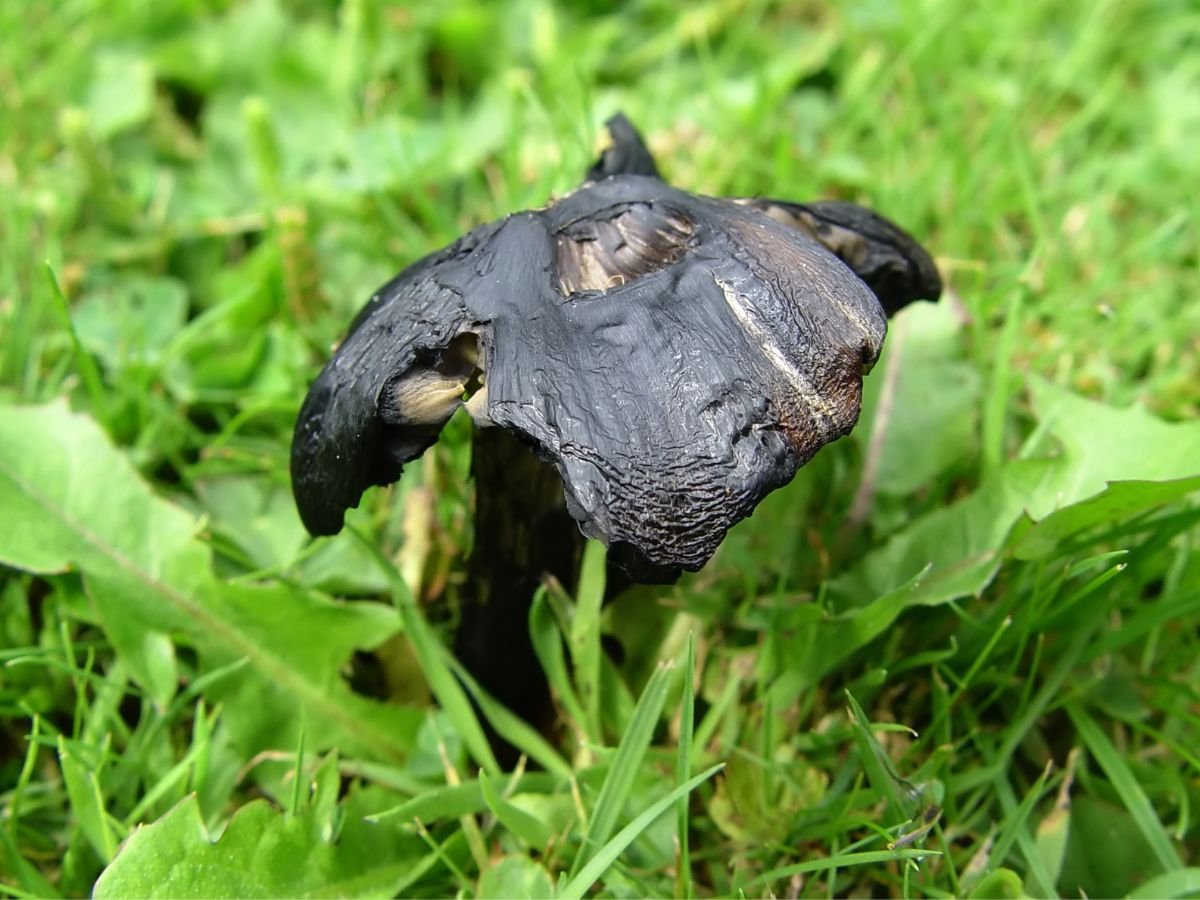
Fungal diseases can quickly damage your lawn, causing yellow or brown patches and thinning grass. High temperatures, inconsistent watering, and poor soil conditions often encourage fungi to spread. Left unchecked, these diseases weaken your turf and make it easier for weeds and pests to move in.
-

The Benefits
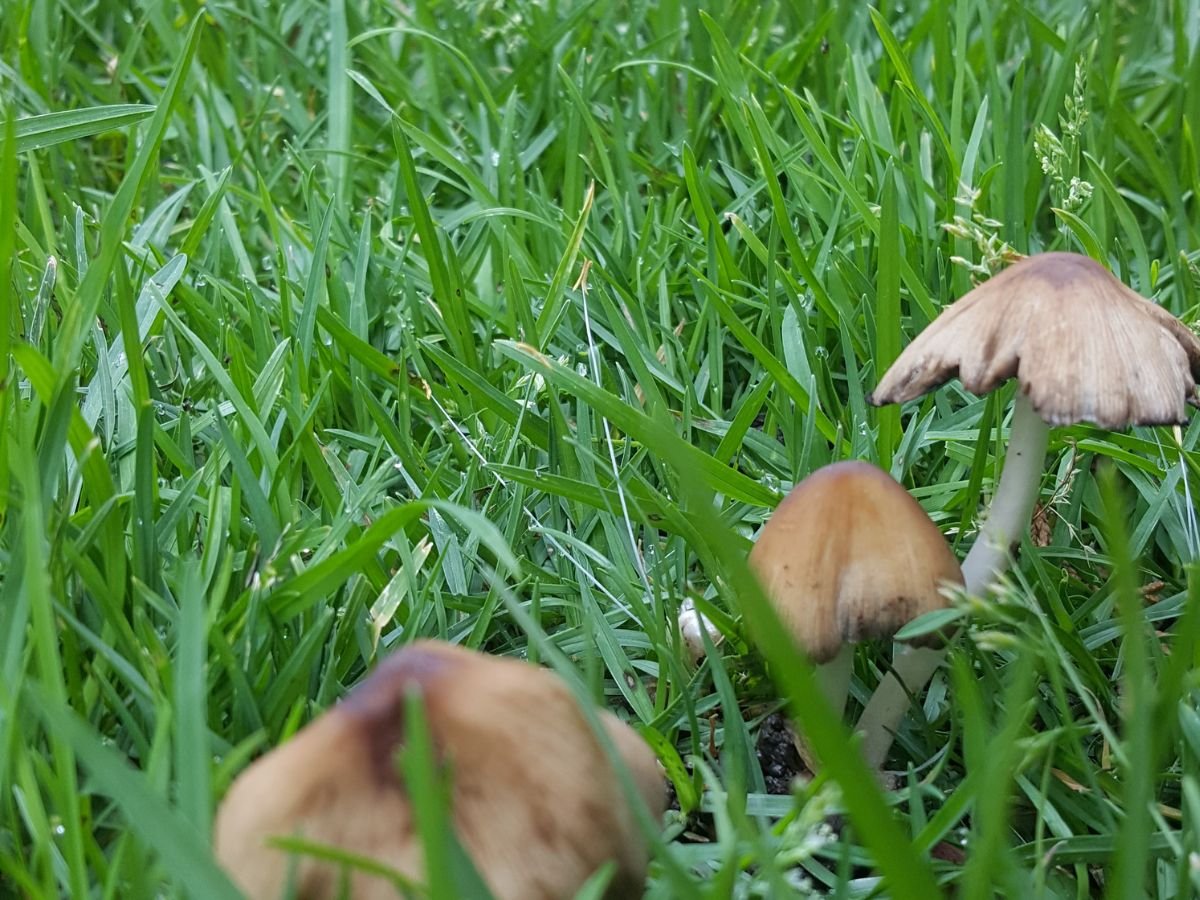
Managing fungus in its early stages helps maintain a lush, uniform lawn. Healthy grass bounces back faster from stress, is more resistant to future diseases, and looks more inviting. Plus, you won’t have to worry about your dog eating a questionable fungi. Controlling fungi also protects the investment you’ve made in fertilization and weed prevention—ensuring your yard remains a comfortable and attractive space.
-

Timeline to Improvement
Treatment usually involves improving lawn health through proper watering, mowing, and fertilization, combined with targeted fungicides as needed. You may start seeing improvements in a few weeks, though multiple applications might be required for severe outbreaks. Seasonal check-ins help catch new issues early, so your lawn can fully recover and stay fungus-free.
Types of Fungi
Common in California
-
Typically found in lawns that stay damp from nighttime watering or heavy irrigation, even in warmer, drier regions.
It creates circular or irregular brown patches in warm, humid weather.
-
Often appears when lawns are slightly under-fertilized and can show up anywhere if conditions allow.
Small, round spots roughly the size of a silver dollar, often merging into larger areas.
Thrives in low-nitrogen lawns.
-
Can appear as arcs or rings of mushrooms or discolored grass, and is not restricted to humid climates—any lawn with decaying organic matter may be susceptible.
Forms rings or arcs of darker green grass or mushrooms.
The fungus breaks down organic matter, altering soil conditions.
-
Shows up on turf that’s stressed (e.g., low nitrogen or infrequent mowing), leaving an orange dust on shoes or equipment.
Appears as a reddish-orange powder on grass blades.
